How a TRT Clinic in La Jolla Can Improve Quality of Life
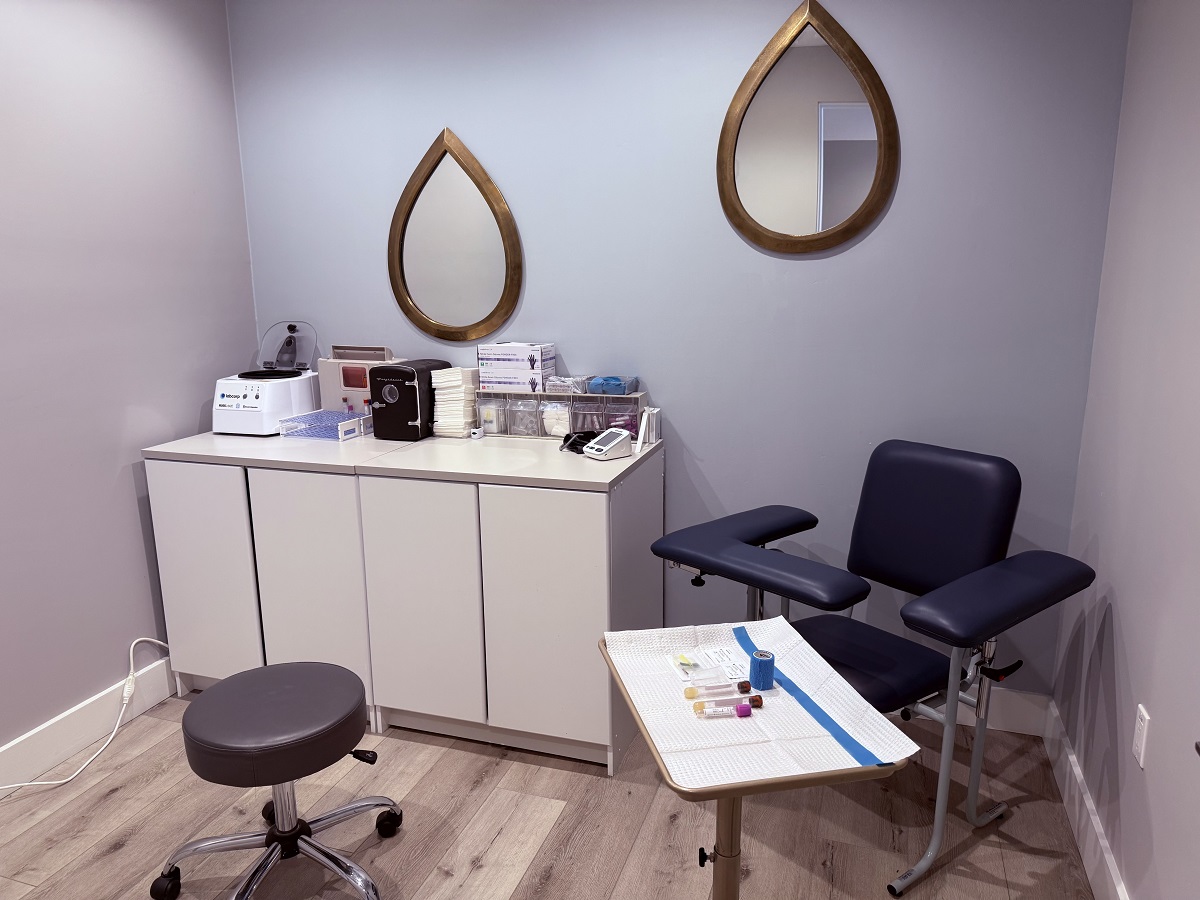

There is a certain kind of patient who walks into a hormone clinic half convinced that nothing is really wrong. He is still going to work, still paying bills, still getting through the week. On paper, life looks fine. But he knows something has changed. Energy is lower than it used to be. Workouts feel flat. Recovery takes longer. Mood is less steady. Libido has slipped. Sleep is off, or maybe sleep is fine and he still wakes up tired.
That gap between functioning and feeling well is often where testosterone replacement therapy enters the conversation.
A good TRT clinic in La Jolla is not in the business of promising a different identity or selling fantasy. The better clinics focus on a simpler goal, helping men who have clinically low testosterone restore a sense of physical and mental steadiness. When treatment is appropriate and monitored properly, the improvement in quality of life can be meaningful. Not dramatic in a movie-script way, but real in the way that matters most: more stable energy, clearer thinking, better body composition, improved sexual health, and a stronger sense of engagement with everyday life.
La Jolla is also a place where people tend to care about performance and longevity. Patients here are often active, professionally demanding, and health-conscious. They notice when their body is not keeping up with their expectations. That makes careful evaluation especially important, because not every symptom of fatigue, weight gain, or low libido is caused by testosterone deficiency.
Quality of life is the right frame
TRT is often discussed in narrow medical terms, total testosterone, free testosterone, estradiol, hematocrit, injection frequency. Those details matter, but patients do not seek treatment because of a lab value alone. They seek treatment because life feels smaller than it did before.
Quality of life is a broad term, but in this setting it usually comes down to a few practical questions. Do you have enough energy to get through the day without feeling depleted by late afternoon? Can you maintain lean mass without punishing effort? Has your motivation changed in a way that feels out of character? Is your sex drive different from what has been normal for you? Do you feel more irritable, less resilient, less sharp?
When testosterone levels are genuinely low, these changes tend to arrive gradually. Many men blame stress, aging, poor sleep, or a busy schedule. Sometimes they are right. Sometimes those issues are part of the picture and low testosterone sits underneath them, making recovery harder and masking itself as ordinary burnout.
A well-run clinic looks at the full picture rather than one complaint in isolation. That alone can improve quality of care. Too many patients have spent months chasing single symptoms with piecemeal solutions, a sleep aid for insomnia, more caffeine for fatigue, a stricter diet for weight gain, a stimulant for focus, without anyone stepping back to ask whether there is a hormonal issue tying those problems together.
What a strong clinic actually does differently
The phrase “TRT clinic” means very different things depending on the practice. Some centers are careful and medically grounded. Others are little more than testosterone dispensaries with a glossy website and very little nuance. The difference shows up in the first consultation.
A serious clinic starts with diagnosis, not sales. That means a medical history, discussion of symptoms, physical context, review of medications, and properly timed lab work. Testosterone fluctuates, usually highest in the morning, so timing matters. One low result does not automatically make a diagnosis. Symptoms matter. Repeat testing often matters. Related markers matter too, because low testosterone can be primary, secondary, or part of a larger endocrine issue.
This is where experienced judgment comes in. A man in his late thirties with poor sleep, central weight gain, elevated stress, and borderline-low testosterone may need a more layered conversation than “yes” or “no” to treatment. If he has untreated sleep apnea, heavy alcohol use, or severe overtraining, those contributors need to be addressed. If he has fertility goals, the treatment plan needs extra care because exogenous testosterone can suppress sperm production. If his blood counts already run high, monitoring becomes especially important.
That kind of detail is not glamorous, but it is exactly what protects outcomes.
The changes patients tend to notice first
When TRT is a good fit, the first benefits are often subtle but consistent. Men describe fewer afternoon crashes. They stop needing so much effort just to feel normal. Their workouts stop feeling like a grind with no return. Interest in sex starts to recover. Mood becomes less flat.
One patient I once heard described it perfectly: “I didn’t feel superhuman. I felt like myself again.” That is closer to the truth than the marketing language people sometimes expect.
Energy is usually the headline improvement, but not in the stimulant sense. It is more like restored baseline capacity. You wake up less drained. You can think through demanding work without as much fog. You are less likely to come home and collapse into the couch with nothing left for family, exercise, or even conversation.
Mental clarity can improve as well, especially in men whose low testosterone has been dragging behind the scenes for a while. That does not mean TRT turns anyone into a productivity machine. It means less friction. Patients often describe better follow-through, more motivation to train or cook or socialize, and fewer days where everything feels harder than it should.
Sexual health is another major quality-of-life issue that men frequently understate until they are in a medical office. Low libido, weaker erections, and reduced sexual confidence affect relationships far beyond the bedroom. When TRT helps in this area, the benefit is not just physical. It can reduce anxiety, restore intimacy, and improve self-image.
Body composition matters more than vanity
A lot of people hear “testosterone” and think only about muscle. That is too simplistic, but body composition is still an important part of the conversation.
Men with low testosterone often find that their usual strategies stop working. They gain fat more easily, especially around the midsection. They lose strength despite training. Recovery between workouts stretches out. They may still exercise consistently, yet their body responds as if the volume knob has been turned down.
Appropriate TRT can improve lean mass retention and make training feel productive again. It is not a replacement for disciplined eating or exercise, and any ethical clinician will say that plainly. But when hormones are part of the problem, correcting them can make healthy habits start paying off again.
That trt clinic La Jolla matters because body composition is not just cosmetic. More muscle and less visceral fat correlate with better metabolic health, stronger physical function, and lower day-to-day strain. Patients often report that they move with more confidence, tolerate exercise better, and feel less discouraged by the mismatch between effort and results.
For men in La Jolla who surf, lift, cycle, hike, or simply want to stay active as they age, that shift can be significant. Quality of life is tied to what your body lets you do without resentment.
Why individualized dosing is so important
There is no single “right” testosterone dose that works for every patient. A competent clinic knows this and resists one-size-fits-all protocols.
Some men do well with weekly injections. Others feel more stable with smaller, more frequent dosing. Some use topical preparations, though absorption can vary. Decisions depend on labs, symptoms, convenience, side effects, and patient preference. The point is not to chase the highest possible number. It is to reach a therapeutic range where symptoms improve and safety trt clinic La Jolla markers remain acceptable.
This is one of the places where a quality trt clinic La Jolla residents can trust separates itself from a formula-driven operation. Good clinicians listen for patterns. If a patient feels great for two days after an injection and then crashes, that matters. If libido improves but sleep worsens, that matters. If labs look acceptable but hematocrit keeps climbing, that matters too.
Treatment works best when it is adjusted with patience. Many problems in hormone care come from overcorrection, under-monitoring, or treating lab targets as if they matter more than the person sitting in front of you.
Monitoring is not optional
TRT is medical therapy, not a supplement plan. That means follow-up is part of the treatment, not an extra.
A clinic should track the patient’s response over time with repeat labs and symptom review. Testosterone levels are only one part of that. Red blood cell concentration, estradiol, prostate-related considerations, blood pressure, liver function in some cases, and overall clinical status all deserve attention. The exact schedule varies, but the principle is simple: if a clinic is eager to prescribe and casual about monitoring, that is a warning sign.
The goal of monitoring is not to make treatment burdensome. It is to keep it safe and effective. A patient may feel much better on therapy and still need a dosing change because of rising hematocrit or other shifts. Another patient may be disappointed because he expected immediate transformation, when what he actually needs is three to six months of steady treatment plus better sleep and nutrition.
That kind of management is where quality of life is either protected or undermined. Patients do best when their expectations are realistic and their care is ongoing.
The emotional side is real, even if men do not always name it
One of the most underestimated effects of low testosterone is emotional flattening. Not necessarily major depression, though that can happen, but a muted version of life. Less drive. Less spark. Less confidence. More irritability over small things. A sense of being present physically but not fully engaged.
Men often struggle to articulate this because they are used to framing health in physical terms. They will report low energy, poor gym recovery, and lower sex drive long before they say, “I do not feel like myself.” But that is frequently the deeper issue.
When TRT is appropriate, emotional improvement often follows physical improvement. Better sleep and energy reduce strain. Restored libido improves connection. More productive workouts rebuild confidence. Stable hormones can also reduce the constant low-level drag that makes stress feel harder to manage.
That said, this is where a responsible clinic avoids overpromising. TRT is not a cure for burnout, unresolved depression, chronic relationship stress, or the psychological toll of years spent ignoring health. Sometimes it helps tremendously. Sometimes it helps partially, and the rest of the work belongs elsewhere. The best clinicians are honest about that.
Who should slow down before starting treatment
Not every man with low-normal testosterone needs TRT. This is a point worth stressing because the conversation online is often distorted.
If symptoms are mild, sleep is poor, body fat is high, alcohol intake is heavy, and labs are borderline, there may be room to improve the hormonal picture without jumping straight to replacement. Weight loss, treatment for sleep apnea, resistance training, stress reduction, and medication review can all matter. In some cases, they matter enough to change the decision entirely.
Fertility is another major issue. Men who want to father children in the near future need a careful discussion before beginning TRT, because testosterone therapy can suppress natural production of sperm. There are situations where alternative strategies are considered, but this is not something patients should discover after the fact.
There are also men who are chasing a feeling that no hormone protocol can deliver. They want to feel twenty-five again despite fifty-five-year-old sleep habits, nutrition, and stress. That expectation sets treatment up to fail. Hormone therapy can help restore function. It cannot erase biology or compensate for every unhealthy pattern.
What to ask when choosing a clinic
A patient does not need to become an endocrinologist to choose wisely, but a few questions can reveal a lot about the quality of care.
- How is low testosterone diagnosed here, and what labs are included?
- How often are follow-up labs and appointments scheduled after treatment begins?
- How do you handle fertility concerns and side effect monitoring?
- Are treatment plans individualized, or does everyone receive the same protocol?
- What symptoms and safety markers determine dose adjustments?
The answers should sound measured, not rehearsed. You want to hear about symptoms, repeat testing, monitoring, and clinical judgment. You should be wary of guarantees, aggressive upselling, or casual language about high dosing.
Why location and access matter more than people think
It may seem secondary, but convenience influences adherence. A clinic that is accessible, responsive, and organized makes it easier for patients to stay on schedule with lab work, appointments, and prescription refills. That matters over months and years.
For patients seeking a trt clinic La Jolla offers an advantage in more than scenery. Practices in this area often serve an educated, active population that expects personalized care. The better clinics respond by building systems that support it, longer consultations, more detailed lab interpretation, and ongoing communication when symptoms shift.
That local continuity becomes especially valuable once the initial excitement of treatment wears off and therapy becomes routine. Quality of life improves not because the first month was impressive, but because the care remains thoughtful over time.
The benefits are often cumulative
One of the most common misconceptions about TRT is that success should be obvious almost immediately. In reality, the timeline varies by symptom. Libido may improve on one schedule, energy on another, body composition on another still. Sleep, exercise, diet, age, and baseline health all influence the pace.
What patients often notice after several months is not one dramatic change but a collection of smaller improvements that add up. They are exercising more consistently because recovery is better. They are eating better because motivation is back. They are engaging more at work because mental fog has eased. Their relationship feels less strained because they are not as withdrawn or irritable. These gains reinforce each other.
That is why quality of life is the right endpoint. The point is not merely to optimize a lab panel. It is to improve how a person moves through ordinary days.
What responsible success looks like
The best TRT outcomes are usually less flashy than social media suggests. A responsible success story sounds like this: a man with documented low testosterone undergoes proper evaluation, starts a carefully selected protocol, returns for monitoring, makes a few dose adjustments, improves his sleep and training habits, and over time feels steadier, stronger, more engaged, and more like himself.
That may not be glamorous, but it is medically sound, and for many patients it is life-changing.
TRT is not for everyone. It should not be treated casually. But for the right patient, managed by a thoughtful clinic, it can genuinely improve day-to-day life. More energy for work and family. Better physical function. Stronger sexual health. Clearer thinking. A more stable mood. A body that feels responsive again rather than resistant.
Those are not small things. They are the foundation of how people experience their lives.
If someone has been dealing with persistent fatigue, reduced libido, declining performance in the gym, and the creeping sense that normal no longer feels normal, it may be worth taking a closer look. A reputable TRT clinic in La Jolla should help answer the real question, not simply whether testosterone can be prescribed, but whether it is the right tool to improve long-term health and quality of life.
SDBody La Jolla
7710 Fay Ave, La Jolla, CA 92037
+1 858-401-2383
FAQ About trt clinic La Jolla
How much should my TRT cost?
TRT costs depend on the clinical evaluation, medication, laboratory testing, and follow-up plan. Ask for an itemized estimate that includes the initial visit and ongoing monitoring. SDBody La Jolla can explain its current fees after discussing the services being considered.
Will Insurance Pay for TRT in La Jolla?
Coverage depends on your plan, diagnosis, prescribed treatment, and provider network. Ask your insurer about medical necessity requirements, prior authorization, laboratory coverage, and out-of-pocket costs. Confirm SDBody La Jolla's billing arrangements directly; insurance payment is not guaranteed.
Is TRT safer than steroids?
Testosterone is itself an anabolic steroid. Clinician-prescribed replacement for confirmed testosterone deficiency differs from nonmedical steroid use, but it still carries risks and requires monitoring. Possible concerns include increased red blood cell levels and reduced sperm production. Discuss your medical history and fertility goals with a qualified clinician before considering treatment.