Top Questions to Ask About TRT Replacement Therapy Near Me
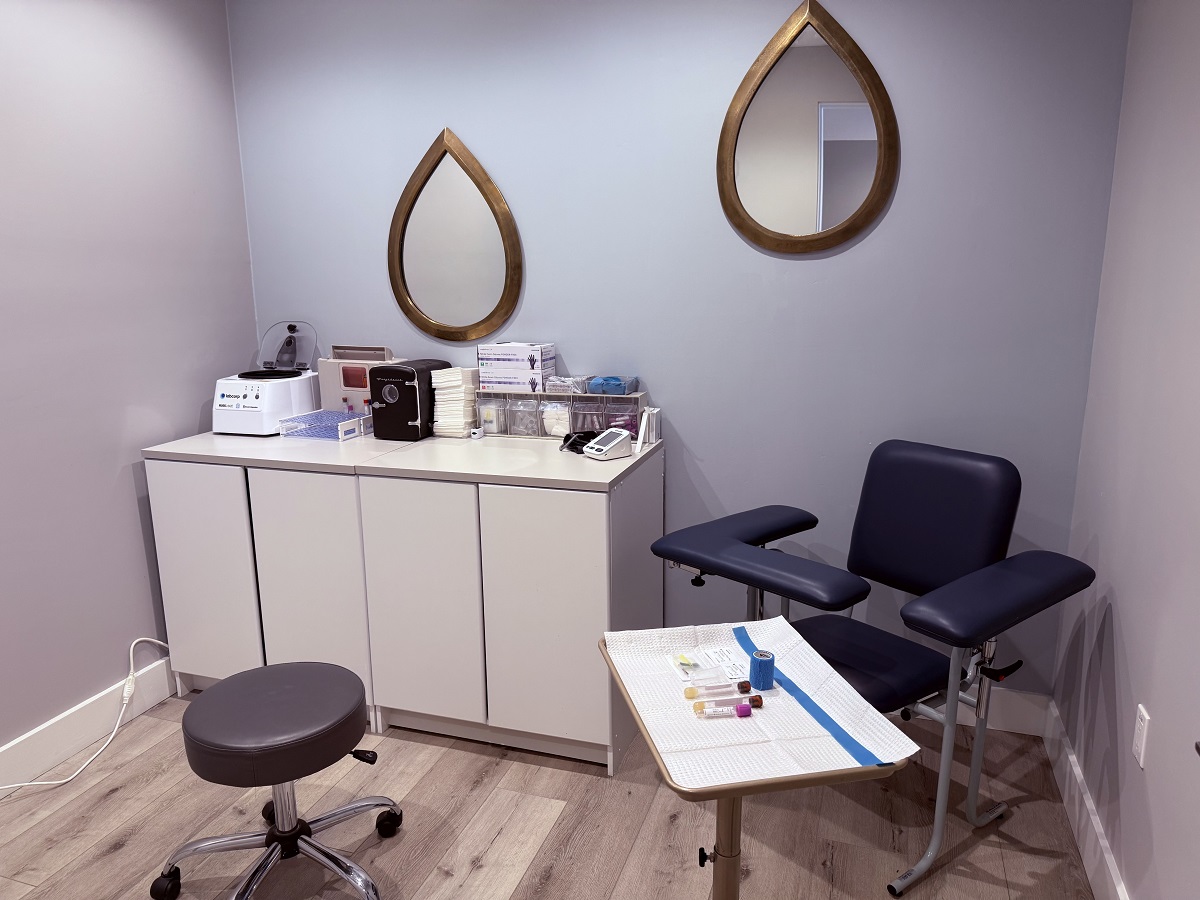

Typing “Trt replacement therapy near me” into a search bar is easy. Figuring out which clinic deserves your trust is not. Testosterone replacement therapy can be helpful for the right patient, but it is not a casual wellness purchase, and it should never be treated like a one-size-fits-all subscription. A lot depends on who is evaluating you, how carefully they diagnose low testosterone, what kind of monitoring they provide, and how honestly they discuss benefits, risks, cost, and long-term follow-up.
I have seen the difference between thoughtful TRT care and assembly-line hormone sales. In one setting, a patient gets a rushed five-minute telehealth visit, a prescription, and vague instructions. In another, the clinician asks about sleep, stress, fertility goals, body composition, medications, alcohol use, snoring, mood, and training habits before even discussing a treatment plan. Those two experiences may sound similar on paper, but they lead to very different outcomes.
If you are considering therapy, the smartest move is not to ask only, “Do you offer TRT?” The better question is, “How do you decide whether I truly need it, and how will you manage me once I start?” That shift alone can protect you from a lot of bad care.
Start with the diagnosis, not the sales pitch
A good clinic does not begin by promising more energy, sharper focus, better workouts, improved libido, and faster fat loss. It begins with the diagnostic process. That may sound less exciting, but it is where responsible care lives.
Low testosterone symptoms overlap with a long list of other issues. Poor sleep, obstructive sleep apnea, depression, overtraining, obesity, high stress, certain medications, heavy alcohol intake, thyroid dysfunction, and insulin resistance can all produce fatigue, low sex drive, brain fog, and reduced motivation. If a clinic jumps straight from symptoms to treatment, that is a problem.
Ask how they confirm low testosterone. A careful answer should include more than a single borderline lab value. Testosterone levels fluctuate, and timing matters. Morning testing is usually preferred because levels are often highest then. Repeat testing is often appropriate if results are low or borderline. Free testosterone may matter in some cases, especially when sex hormone binding globulin is abnormal. Estradiol, luteinizing hormone, follicle-stimulating hormone, complete blood count, prostate-specific antigen when appropriate, thyroid studies, and metabolic markers may also be relevant depending on age, symptoms, and medical history.
When a provider explains this clearly, you are getting a glimpse of their philosophy. They are telling you whether they practice medicine or simply move product.
Ask what might be causing your low testosterone
This is one of the most revealing questions in the entire consultation. If the answer is essentially “You’re low, so we treat it,” keep digging.
Low testosterone can be primary, meaning the testes are not producing enough, or secondary, meaning the signaling from the brain is part of the issue. That distinction matters. It changes how a clinician thinks about causes, fertility, treatment options, and whether something reversible might be addressed first.
For example, I have seen men in their thirties with low levels who were sleeping five hours a night, carrying significant visceral fat, and snoring heavily enough that their partners were sleeping in another room. In some of Trt replacement therapy near me SDBody La Jolla those cases, treating sleep apnea, reducing weight, cutting alcohol, and improving recovery habits changed symptoms and lab values substantially. That does not mean TRT was never needed. It means the best clinicians ask why before they prescribe.
A strong provider should be willing to say, “Your labs are low, but I also see factors that may be suppressing your testosterone. Let’s talk about whether we address those first, at the same time, or after a more complete workup.” That kind of judgment is worth paying for.
The best clinics welcome hard questions
When patients feel rushed, they tend to ask shallow questions, usually about convenience or price. Cost matters, but this is one area where the cheapest option can become expensive fast. A poorly monitored plan can leave you with side effects, inconsistent symptom control, unnecessary add-on medications, and avoidable confusion.
These are the questions I would want answered before starting care:
- How do you confirm that TRT is appropriate for me, beyond symptoms alone?
- What baseline labs do you order, and how often do you repeat them?
- What form of testosterone do you usually prescribe, and why?
- How do you monitor side effects like elevated hematocrit, acne, blood pressure changes, or fertility issues?
- If I do not feel better, how do you reassess instead of just increasing the dose?
That short list can tell you a great deal. Competent clinicians usually answer directly and comfortably. Weak clinics often pivot to vague benefits, package pricing, or generic promises about optimization.
What treatment options do you offer, and why?
Not all TRT delivery methods fit all patients. Injections are common, and for many men they are practical, affordable, and effective. But even within injections there are important decisions, including dose size, frequency, and whether dosing is adjusted to reduce large hormonal peaks and crashes.
Topical gels can work well for some patients but come with transfer concerns, especially around partners and children. Creams and compounded products may be discussed in some practices, depending on local regulations and prescribing preferences. Pellets appeal to patients who want fewer dosing decisions, though they are less flexible when adjustments are needed. Oral testosterone exists in certain forms, but whether it is appropriate depends on the individual case and the provider’s experience.
A knowledgeable clinic should explain why they favor a specific approach for you. If someone says, “We use the same protocol for everybody,” that is not a strength. It is a shortcut.
It is also worth asking how they think about dose frequency. Some patients do well with weekly injections. Others feel more stable with smaller, more frequent dosing. There is no need for a clinic to overcomplicate this, but they should understand that symptom control, lab interpretation, estradiol balance, and side effects can all be influenced by how testosterone is administered.
How do you monitor patients after they start?
This is where mediocre care often reveals itself. Starting TRT is straightforward. Managing TRT well over time is the real work.
Follow-up should include both labs and clinical assessment. A patient’s total testosterone on paper matters, but it does not replace a careful discussion about libido, erections, energy, mood, sleep, training response, blood pressure, body composition, and side effects. Good clinicians look at the whole picture. They also know that chasing a lab number while ignoring symptoms can become a trap.
Ask how often follow-up visits happen in the first year. Ask what labs are repeated and when. Ask how they respond if your hematocrit rises, if acne worsens, if you feel wired instead of better, or if your libido improves but your sleep gets worse. Those are not unusual scenarios.
One of the most common examples is elevated hematocrit. Testosterone can increase red blood cell production. Sometimes that is manageable with dose adjustment, hydration review, sleep apnea screening, or other changes. Sometimes it requires more intervention. What matters is not only that the clinic knows this can happen, but that they have a consistent way of handling it.
Another example is the patient who starts therapy expecting a dramatic transformation and instead notices only modest benefit. A thoughtful provider will revisit the original diagnosis, dose timing, training recovery, nutrition, sleep quality, mental health, and other possible contributors. A weak provider often just raises the dose and hopes for the best.
What are the real risks, not just the advertised benefits?
If the consultation sounds too glossy, slow down. TRT can improve symptoms in properly selected men, but it is not side-effect-free, and it is not a cosmetic shortcut.
Potential issues can include acne, oily skin, breast tenderness, changes in mood, fluid retention, worsening of untreated sleep apnea, reduced fertility, testicular shrinkage, and increased red blood cell count. Depending on the patient, there may also be concerns related to prostate monitoring, cardiovascular risk factors, or pre-existing conditions that require closer oversight.
You do not need a provider who tries to frighten you. You do need one who speaks plainly. The best conversations are balanced. They sound something like this: “For the right patient, TRT can be very helpful. Here is what we hope it improves. Here is what we need to watch. Here is what would make me pause or alter the plan.”
That balance is reassuring because it reflects real clinical experience.
Fertility deserves its own conversation
This point gets missed far too often, especially in younger men. If you want children in the near future, or even think you might, bring it up early. Do not assume the clinic will remember to ask.
Exogenous testosterone can suppress sperm production. Some men know this and still choose TRT based on their circumstances. Others are blindsided because no one explained the trade-off clearly. In fertility-sensitive situations, a knowledgeable clinician may discuss alternatives or adjunctive approaches rather than defaulting straight to testosterone.
I have spoken with more than one patient who started treatment for low energy and low libido, felt better, and then months later realized no one had fully explained what could happen to fertility. That is not a small oversight. It is a major counseling failure.
A reputable provider should ask about family planning as naturally as they ask about symptoms.
Who is actually managing your care?
This may feel awkward to ask, but it matters. Some clinics are physician-led and heavily involved in ongoing management. Others are staffed by capable nurse practitioners or physician assistants with appropriate supervision and good protocols. Either can work well. What you want to understand is who reviews your labs, who adjusts the plan, and who is available if something changes.
There is a practical difference between a clinic where an experienced clinician knows your case and one where support staff cycle patients through a standard package. If your numbers drift, if you develop side effects, or if your goals change, you want someone who can think beyond the script.
Ask how accessible they are between appointments. If you have a problem after starting therapy, can you message the office and expect a meaningful response? Can they explain why they changed a dose? Will you talk to a clinician or only to a coordinator?
These details tend to predict your overall experience better than polished branding does.
What does the full cost look like over a year?
Many patients focus on the monthly membership fee and overlook the rest. TRT costs are not always straightforward. Depending on the clinic, you may be paying for consultations, medication, syringes and supplies, lab panels, injection teaching, follow-ups, and ancillary medications separately or in a bundled model.
Neither structure is automatically better. The important thing is transparency. Ask for the realistic annual cost, not the teaser price. Ask whether lab work is included. Ask whether dose changes affect the fee. Ask whether medications such as hCG or estrogen blockers, if ever used, are extra.
Be cautious when pricing is fuzzy. A clinic that is vague about money is often vague in other areas too.
This is also where “Trt replacement therapy near me” can become misleading. A nearby clinic may be convenient but overpriced, lightly supervised, or protocol-driven. A practice that is a little farther away, or partly telemedicine with proper lab coordination, may actually offer better care. Local access matters, but quality matters more.
Ask how they handle estrogen-related questions
Patients often arrive with strong opinions about estradiol because online forums are full of conflicting advice. Some men are told every symptom is “high estrogen.” Others are assured estrogen never matters. Both extremes are unhelpful.
An experienced clinician should be able to explain that estradiol is not the enemy and that symptom interpretation is more nuanced than internet sound bites suggest. Some patients tolerate changes well. Others feel better when testosterone dosing is adjusted in a way that steadies hormonal swings. Automatically adding extra medications without a good reason can create more problems than it solves.
This is one of those topics where maturity shows. Clinics that aggressively medicate every lab variation often leave patients juggling too many moving parts. The better approach is usually to keep the plan as simple as possible while monitoring symptoms and objective markers carefully.
What happens if you want to stop?
This question is worth asking before you ever begin. Patients often hear a lot about how to start TRT and very little about what happens if they discontinue it.
The answer depends on why you started, how long you have been on, your baseline function, your age, and whether fertility is a concern. Some men start therapy with a clear understanding that this is likely to be long-term. Others try it without fully appreciating that stopping can involve a transition period and symptom changes.
A competent provider should be comfortable explaining this without pressure. If a clinic seems irritated by the question, take note. You want a clinician who is honest about the commitment involved.
Red flags that should make you pause
Not every problem shows up in the first phone call, but some warning signs are obvious. If you hear one or two of these, ask more questions. If you hear several, keep looking.
- They promise TRT after a very brief intake with little interest in your history.
- They rely on one lab draw, especially if timing and context are unclear.
- They dismiss fertility concerns or fail to ask about them.
- They cannot explain their monitoring schedule in specific terms.
- They push add-on medications quickly, without a clear rationale.
Clinics do not need to be identical to be good. Some are more conservative, others more flexible. But none of the best ones operate like a hormone vending machine.
How personalized is the plan, really?
Personalization has become a marketing word, and like most marketing words, it gets stretched beyond usefulness. In practice, truly individualized TRT care is not about fancy language. It is about whether the treatment fits your physiology, your symptoms, your goals, and your constraints.
Consider two patients. One is 42, lifts regularly, has completed his family, has documented low testosterone on repeated labs, and values symptom stability over convenience. Another is 31, wants children within two years, works rotating night shifts, sleeps poorly, carries extra weight, and has borderline results. Those are not the same case, and they should not be managed the same way.
When you meet a clinic, listen for whether they think in this tailored way. Do they ask about work schedule, training habits, blood pressure history, medications, alcohol, sleep quality, and reproductive goals? Or do they move everyone toward the same package by default? The more generic the intake, the more generic the care tends to be.
Why bedside manner matters more than people think
Patients often underestimate the value of communication until something goes sideways. Then it becomes the whole story.
Hormone treatment creates a lot of “Is this normal?” moments. Maybe your energy rises before your mood does. Maybe your libido improves but you break out for the first time in years. Maybe your follow-up labs look good, but you still feel off. Those moments require interpretation, not canned reassurance.
A clinic with strong bedside manner does not just answer messages quickly. It helps you understand what is happening and what the next step is. That lowers anxiety, improves adherence, and usually leads to better decision-making.
I have watched patients stay loyal to imperfect but thoughtful clinicians because they felt heard, educated, and carefully managed. I have also watched patients leave sleek, expensive clinics because every answer felt scripted. Competence matters. So does the ability to communicate it.
The local search is only the beginning
Searching “Trt replacement therapy near me” is a starting point, not a decision. The names that appear first may have strong marketing, solid care, both, or neither. Your job is to find out which it is.
Read beyond testimonials. Reviews can tell you about wait times, billing headaches, or staff courtesy, but they rarely tell you whether the diagnostic process is sound. A better approach is to book a consultation and listen closely. Did they ask intelligent questions? Did they explain the reasoning behind labs and monitoring? Did they discuss alternatives, risks, and fertility with the same confidence they used to discuss benefits? Did you leave with more clarity or just more excitement?
That distinction matters because testosterone therapy tends to work best when expectations are realistic. It is not magic. It will not fix chronic sleep deprivation, poor diet, relationship stress, or burnout from a life that is running too hot. But for the right patient, under careful supervision, it can make a meaningful difference in energy, sexual function, mood, and overall quality of life.
The key is finding a clinician who respects both sides of that sentence. Someone who understands the potential and the limits. Someone who is just as interested in whether TRT is appropriate as they are in writing the prescription. If you ask the right questions early, you are far more likely to find that person.
SDBody La Jolla
Address: 7710 Fay Ave, La Jolla, CA 92037
Phone number: +18584012383
FAQ About Trt replacement therapy near me
Will insurance pay for TRT therapy in La Jolla, CA?
Coverage varies by plan and may depend on the diagnosis, blood test results, medication and prior authorization. Ask your insurer which visits, lab tests and formulations it covers and what you would pay out of pocket.
What is the most affordable TRT clinic in La Jolla?
Compare written estimates for the initial visit, lab work, medication and follow-up monitoring. Your total cost will depend on your insurance and the care your clinician recommends.
Is TRT replacement good for you in La Jolla, CA?
Testosterone replacement may help some people with symptoms and consistently low testosterone confirmed by blood tests. A clinician can review the potential benefits, risks, fertility plans and monitoring needs before recommending treatment.